


The first phase of the Punjab government’s Model Village Program has included three villages in Talagang district — Jhatla, Kot Sarang and Malikwal — which is undoubtedly a positive step towards rural development. The efforts of the local representatives on this development are commendable and it also gives hope that other villages will also benefit from this program in the future.
However, as a citizen and as an individual associated with the community platform Tamman.pk, the question also comes to mind as to by what criteria are we actually testing the “model village”? And is this criterion compatible with the requirements of today’s rapidly changing world?
Is Taman being ignored?
An important question is why Taman was not included in the Model Village Plan?
While Taman has been particularly strong in political and social representation, is this just a coincidence or are political priorities or rivalries influencing development decisions somewhere?
If development is truly for the benefit of the people, then its scope should transcend political affiliations.
Model Village Standards: Are They Enough?
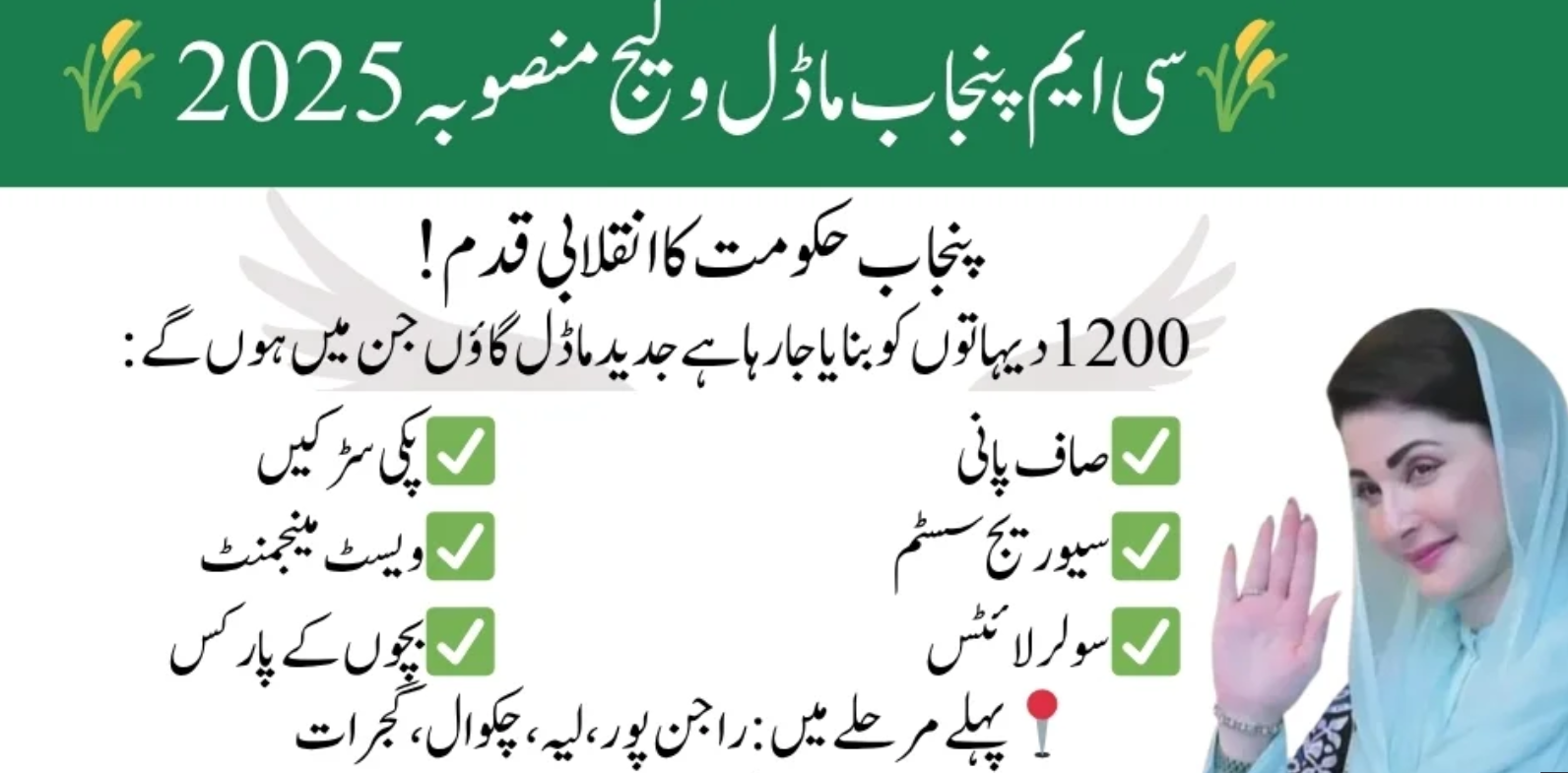
The facilities currently being mentioned for a model village include; Clean water, drainage, paved streets, street lights, health and sanitation, etc.
All these facilities are certainly necessary, but there is also a bitter truth that these are fundamental rights that should have been ensured in the last 75 years after the formation of Pakistan. In today’s era, if we want to call a village “model”, the standards should also be modern.
Need for transparent scorecard and public reporting
Another important aspect that needs to be addressed is transparency. The government should:
Potential Role of Tamman.pk
As a digital community platform, Tamman.pk can play a supporting role in this entire process:
Conclusion: The direction is right, the pace and vision need to be updated
The Model Village Program is a welcome step, but if we really want to prepare our villages for the future, we also need to update our vision of development. A model village in the 21st century can be one that is digital, autonomous, eco-friendly and economically vibrant. Hopefully, in the coming stages, the government will also seriously consider these aspects and other deserving villages including Taman will be included in this journey.
However, as a citizen and as an individual associated with the community platform Tamman.pk, the question also comes to mind as to by what criteria are we actually testing the “model village”? And is this criterion compatible with the requirements of today’s rapidly changing world?
Is Taman being ignored?
An important question is why Taman was not included in the Model Village Plan?
While Taman has been particularly strong in political and social representation, is this just a coincidence or are political priorities or rivalries influencing development decisions somewhere?
If development is truly for the benefit of the people, then its scope should transcend political affiliations.
Model Village Standards: Are They Enough?
The facilities currently being mentioned for a model village include; Clean water, drainage, paved streets, street lights, health and sanitation, etc.
All these facilities are certainly necessary, but there is also a bitter truth that these are fundamental rights that should have been ensured in the last 75 years after the formation of Pakistan. In today’s era, if we want to call a village “model”, the standards should also be modern.
- According to Tamman.pk, the modern standards of a model village should be as follows:
- Fast and reliable internet and telecommunication services
- Digital education and basic technology skills training
- Clean and alternative energy sources (solar, green energy)
- Employment and business opportunities with education
- 24/7 medical facilities, dispensary, ambulance service
- Public transport and logistics facilities
- Predictable business environment (confidence, safety/security, safe investment, easier/transparent paperwork etc.)
Need for transparent scorecard and public reporting
Another important aspect that needs to be addressed is transparency. The government should:
- Issuing a clear scorecard for the model village
- Making the targets and completion dates of each phase public
- Publishing progress reports on a regular basis
Potential Role of Tamman.pk
As a digital community platform, Tamman.pk can play a supporting role in this entire process:
- Communicating the progress of development projects to the public
- Highlighting ground realities and public opinions
- Promoting transparency through data, images and reports
- Engaging youth in the digital development process
Conclusion: The direction is right, the pace and vision need to be updated
The Model Village Program is a welcome step, but if we really want to prepare our villages for the future, we also need to update our vision of development. A model village in the 21st century can be one that is digital, autonomous, eco-friendly and economically vibrant. Hopefully, in the coming stages, the government will also seriously consider these aspects and other deserving villages including Taman will be included in this journey.